

New Style of Snake Jewelry - Move & Make Sounds
During the Victorian period, snake-shaped jewelry was particularly sought after, and this trend originated from Queen Victoria's admiration for snake-shaped jewelry. In 1840, Prince Albert presented Queen Victoria with a serpentine engagement ring with the Queen's birthstone, an emerald, in the center. Queen Victoria believed that the serpentine shape represented never-ending love, and is said to have worn the ring until her burial.

Under the influence of Queen Victoria, snake-shaped jewelry gradually extended from rings to bracelets, brooches and hat pins, and was integrated into the daily wear of fashionable women. After the death of Prince Albert in 1861, dark gemstone materials with mourning gradually replaced colored gemstones, and snake-shaped jewelry inlaid with coal essence, hard rubber agate, ebony, and garnet became more common.

The craze for serpentine jewelry continued during the Art Nouveau era. Jewelry designers Georges Fouquet and René Lalique began to express this classic theme using the most popular enamel process at the time, presenting the snake’s agility in fresh colors that are closer to nature.
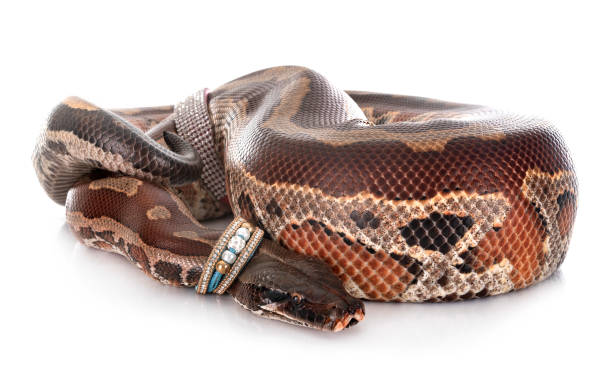
In the mid-20th century, the serpentine shape remained an important design theme for jewelers: in 1968, Boucheron launched the first Serpent Bohème snake jewelry collection; Bulgari continued the serpentine design from watches to jewelry; Cartier Serpentine as a great source of inspiration for custom jewelry. The same theme is presented in different styles under the interpretation of the designers, and these works have now become one of the most representative designs of the jeweler.


Post a Comment